 Texmateria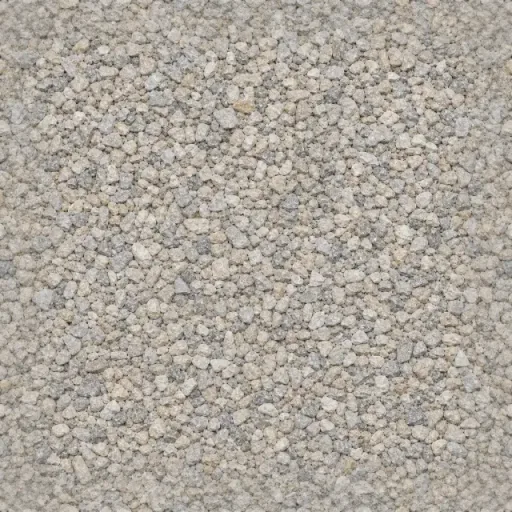
Decorative Gravel
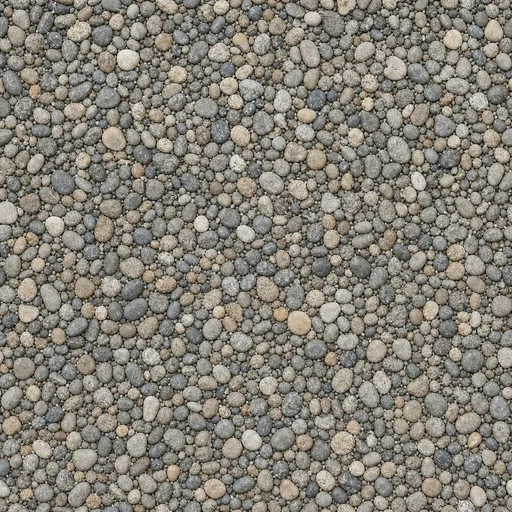
Loose small stones selected for color and size. It needs natural variation, settling, dust, gaps, and edge containment to avoid looking like a flat repeated texture.
Common names
- pea gravel
- decorative stones
- landscape gravel
- white gravel
Search phrases
- small garden stones
- white gravel
- decorative ground stones
- loose landscape stones
Common uses
- Garden beds
- Tree pits
- Drainage strips
- Japanese dry gardens
- Roof ballast
Choosing points
- Best for gardens and approaches where low-cost color and granular texture help define the ground.
- Loose gravel migrates, scatters, and collects leaves.
- White gravel looks clean at first but shows soil and algae quickly.
- Rounded gravel feels softer; crushed gravel locks together more firmly.
How it ages
- The stone itself lasts, but weed growth, dirt, displacement, and drainage decide whether it stays tidy.
What to avoid
- Do not use loose decorative gravel on steep slopes, accessible routes, or narrow entries without edging and stabilization.