 Texmateria
Limestone
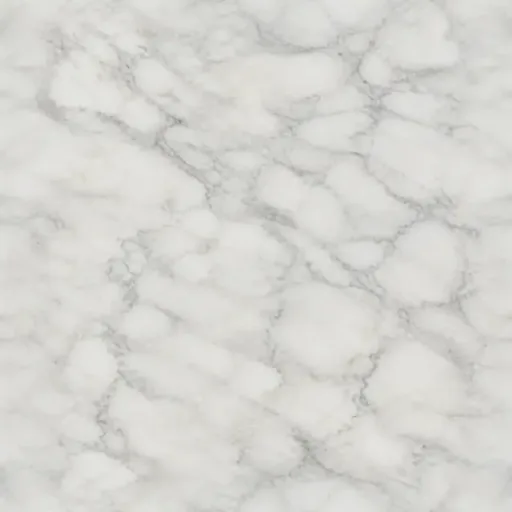
A calm sedimentary stone in beige, cream, or gray tones. It is softer and more absorbent than granite, with fossils, fine pores, and a muted mineral surface.
Common names
- Jura limestone
- French limestone
- cream limestone
Search phrases
- beige stone
- soft cream stone
- quiet natural stone
- limestone wall
Common uses
- Interior floors
- Wall cladding
- Fireplace surrounds
- Facade panels
- Paving
Choosing points
- Best for floors, walls, fireplaces, and facades where a quiet natural stone surface is wanted.
- It is softer and more porous than granite, so edges and high-traffic paths can wear visibly.
- The quiet color works well with plaster, pale wood, bronze, and linen-like fabrics.
- Some limestones contain fossils or shell fragments that become useful visual clues.
How it ages
- Sensitive to acids and some cleaners. Exterior durability depends on density, climate, and freeze-thaw exposure.
What to avoid
- Do not use soft limestone in acid-cleaned areas, high-abrasion floors, or freeze-thaw exteriors. For exterior use, confirm that the exact stone can handle those conditions.