 Texmateria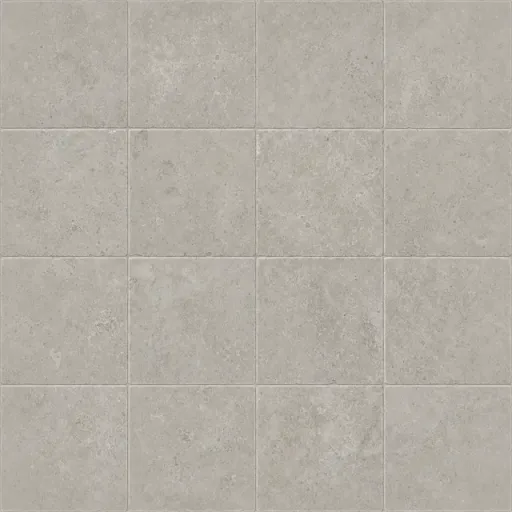
Stone Tile
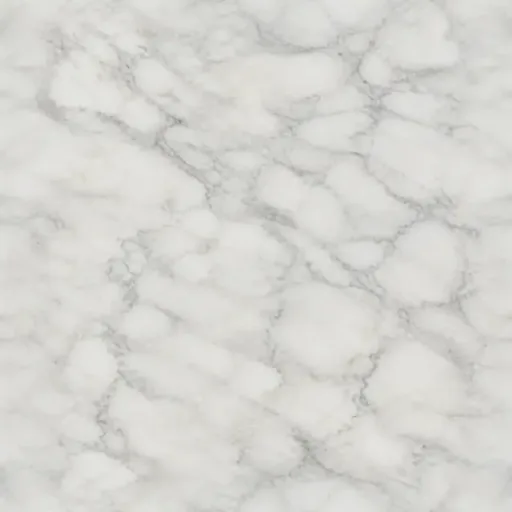
Natural stone cut into tile thickness. It keeps mineral variation and edge behavior of the stone, but gains grout joints, calibrated thickness, saw marks, and repeated module layout.
Common names
- natural stone tile
- marble tile
- slate tile
- limestone tile
Search phrases
- natural stone bathroom tile
- marble floor tile
- slate wall tile
- stone tile cladding
Common uses
- Floors
- Bathrooms
- Lobbies
- Feature walls
- Fireplace surrounds
- Exterior cladding
Choosing points
- Best for floors and walls where natural stone luxury is needed in a thinner tile format.
- Natural stone varies more than printed porcelain, but it may stain, etch, or need sealing.
- Vein direction and bookmatching change the design strongly.
- Stone tile edges usually feel thicker and more mineral than ceramic tile.
How it ages
- Durability depends on stone type and finish. Marble and limestone are softer and acid-sensitive; granite and slate are tougher in many floor uses.
What to avoid
- Do not use stone tile in wet, exterior, or acid-cleaned areas without checking porosity, slip, thickness, and stone type.